Africa's Future Cities - How Egypt's Infrastructure Is Delivering Modern Smart Cities
In this smart city, residents will be able to use smart cards and apps to open doors, make payments and browse the web via public Wi-Fi broadcast from street lamps.
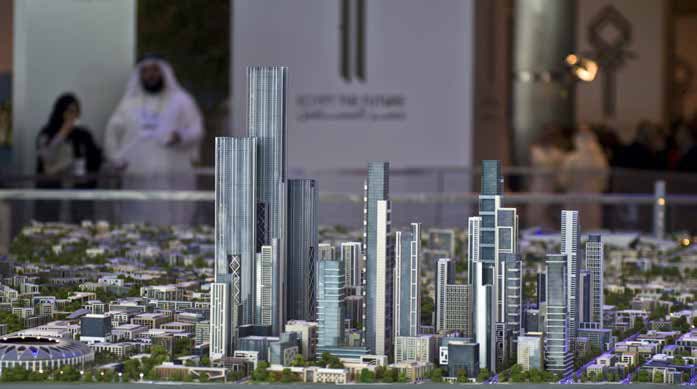
In this smart city, residents will be able to use smart cards and apps to open doors, make payments and browse the web via public Wi-Fi broadcast from street lamps.
Seen as a blueprint for sustainability in the Middle East, Egypt’s fourth-generation cities project is powered by renewable energy and smart technology, featuring the newest architecture, built through sustainable and green infrastructure, and connected through multimodal transport networks. According to Ahmed Shalaby, the MD/CEO of Tatweer Misr, one of the Real Estate companies participating in the construction of fourth-generation cities, the model is designed to keep pace with the challenges of climate change and achieve sustainability. At the Builders of Egypt Forum in Cairo, Shalaby said, “But we must consider that investing in sustainable projects needs sound foundations in the early stages, starting with planning, design, infrastructure, and management and operation. Despite their high costs, these cities achieve real savings for the end-user, as they allow him to significantly reduce expenses and achieve high quality of life.” The first 15 new fourth-generation cities covers a total of 380,000 feddans, representing 50 percent of the total area of urban communities
Continue in print
This is an excerpt. Read the full story in the print edition of the AfriHeritage Magazine.
A proverb · Akan / Twi
“Sankofa.”
“Go back and fetch it.”
It is not wrong to return for what has been forgotten. The past is a resource for the future.
Continue reading