Antoinette Monsio Sayeh - A Distinguished Architect of Economic Reform
Antoinette Monsio Sayeh is one of Africa’s most respected economic leaders, celebrated for her transformative influence in international finance and public service.
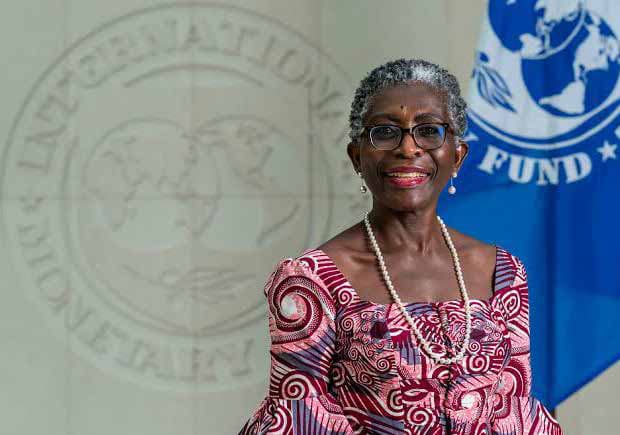
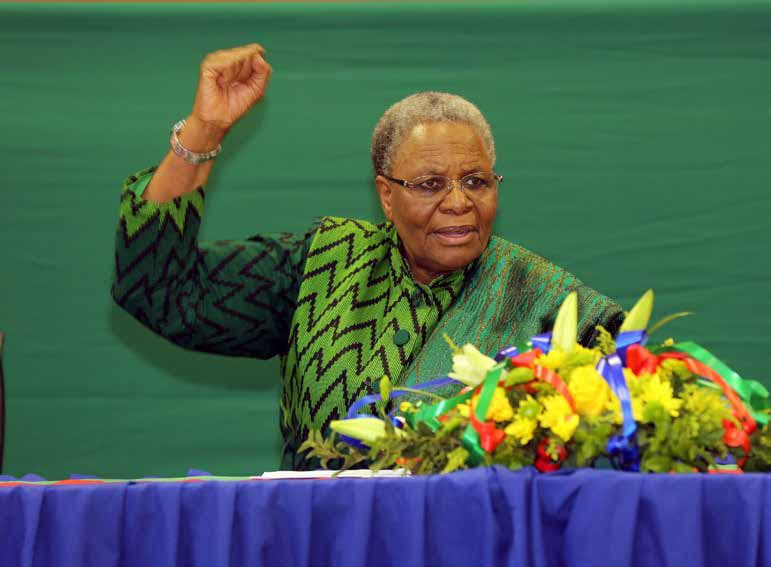
Antoinette Monsio Sayeh is one of Africa’s most respected economic leaders, celebrated for her transformative influence in international finance and public service. A Liberian national with deep integrity and strategic insight who served as Deputy Managing Director of the International Monetary Fund (IMF) from March 16, 2020, until her retirement on September 12, 2024. During her esteemed tenure, Sayeh played a critical role in guiding IMF responses to unprecedented global challenges, including the COVID-19 pandemic, debt vulnerabilities in lowincome countries, and pressures on fragile economies. Her leadership in strengthening the Fund’s engagement with vulnerable nations earned her widespread recognition. Before rising to IMF leadership, Sayeh served as Director of the African Department (2008–2016), becoming the first woman to lead a major International Monetary Fund regional division. She spearheaded major policy reforms in concessional financing, technical assistance, and crisis response, particularly for Ebola‑affected nations in 2014 when she played a pivotal role in the IMF’s emergency support to Guinea, Liberia, and Sierra Leone. The effort underscored her commitment to African-led recovery and fair, locally driven development. In her role as Minister of Finance in Liberia (2006–2008), she ushered in critical financial reforms in a post-conflict setting by clearing long-stalled multilateral debt, achieving debt relief under the HIPC framework, restructuring commercial loans, and
A Distinguished Architect of African and Global Economic Reform
Continue in print
This is an excerpt. Read the full story in the print edition of the AfriHeritage Magazine.
A proverb · Akan / Twi
“Sankofa.”
“Go back and fetch it.”
It is not wrong to return for what has been forgotten. The past is a resource for the future.
Continue reading