The Basotho Tribe of Lesotho - Celebrating Tradition and Resilience
Nestled in the picturesque mountains and valleys of the heart of Southern Africa, the Sotho tribe stands as a testament to the rich cultural tapestry that graces…
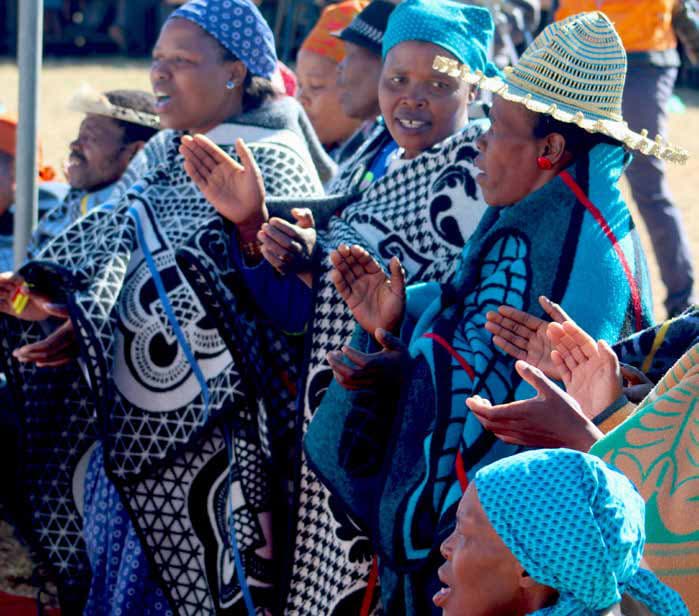
Nestled in the picturesque mountains and valleys of the heart of Southern Africa, the Sotho tribe stands as a testament to the rich cultural tapestry that graces the continent. The Sotho tribe radiates a profound sense of tradition and harmony with nature. With their unique customs, spiritual beliefs, and sustainable ways of life, the Sotho people have carved out a distinctive cultural identity. With a history rooted in resilience and an unwavering commitment to their traditions, the Sotho people have left an indelible mark on the African heritage. In this article, we attempt to showcase the captivating world of the Sotho tribe, exploring their deep-rooted connection with the land, customs, beliefs, artistry, and the
enduring spirit that defines their cultural identity. The Sotho people, also known as the Basuto or Basotho, are a Bantu nation native to southern Africa. Basotho have inhabited the region of Lesotho, South Africa since around the fifth century CE. Over time, the Sotho tribe have split into different clans, as result of Difaqane (meaning ‘scattering’, forceful migration’) and colonialism. By the 1500s, the Sotho groups had expanded to the South and West, and separated into the three distinct clusters; the Southern Sotho (now referred to as Basuto and Sotho), are found in Free State and Lesotho, Northern Sotho (Pedi) are found in Limpopo, Gauteng and Mpumalanga and Western Sotho better known as Tswana, are found in the present day Northern West and Botswana. It is important to note however,
Continue in print
This is an excerpt. Read the full story in the print edition of the AfriHeritage Magazine.
A proverb · Akan / Twi
“Sankofa.”
“Go back and fetch it.”
It is not wrong to return for what has been forgotten. The past is a resource for the future.
Continue reading